What are the categories of sensors?

What are the categories of sensors?
There are many kinds of sensors and various classification methods. The following are the common classification methods and their main types:
1. By Measured Physical Quantity (Application Target)
- Temperature Sensors: Thermocouples, thermistors, infrared sensors.
- Pressure Sensors: Piezoelectric, piezoresistive, capacitive sensors.
- Light Sensors: Photoresistors, photodiodes, CCD/CMOS (image sensors).
- Motion Sensors: Accelerometers, gyroscopes, displacement sensors.
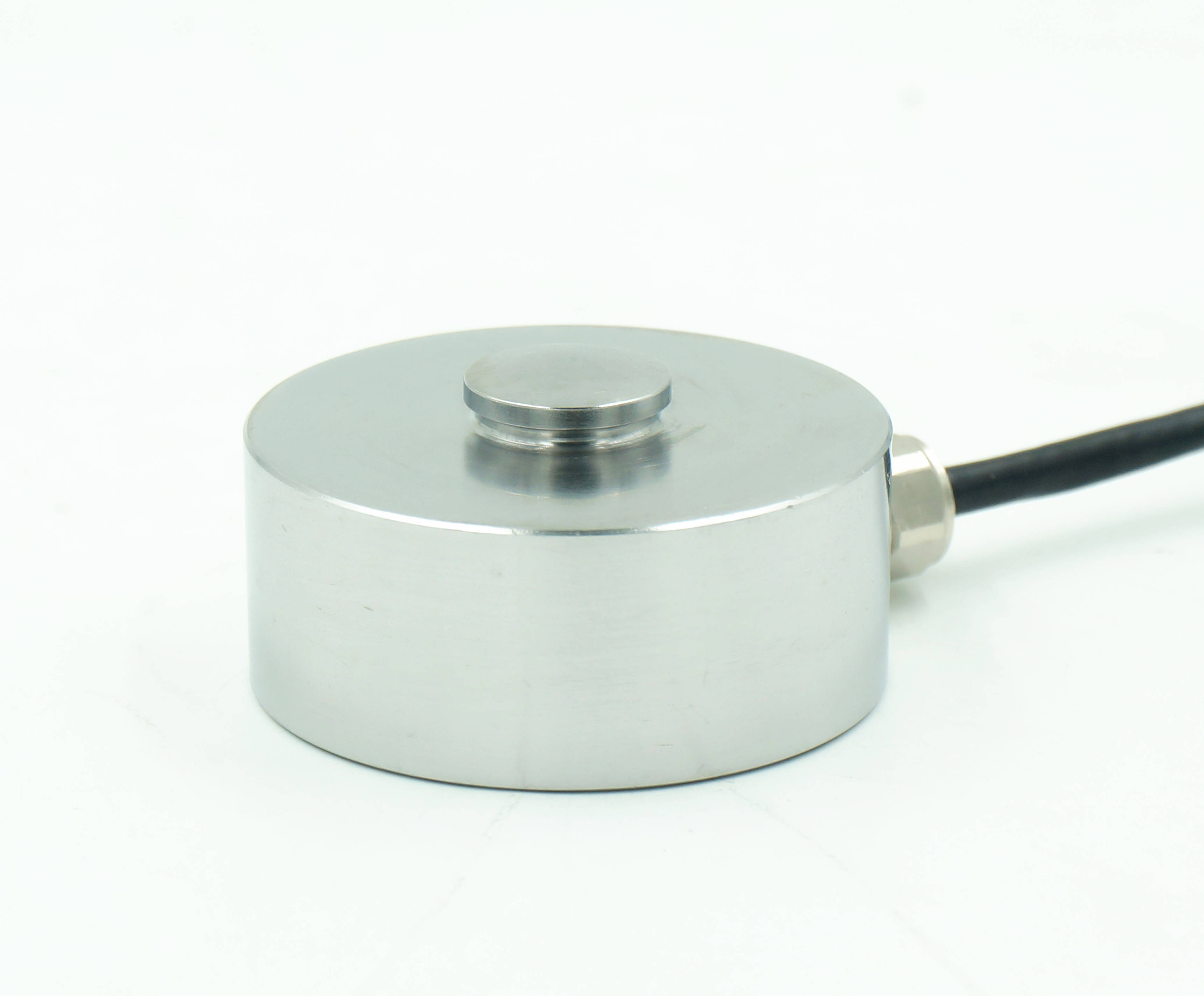
- Force/Torque Sensors: Load cells, torque sensors.
- Magnetic Sensors: Hall effect sensors, magnetoresistive sensors.
- Chemical Sensors: Gas sensors (e.g., CO₂, formaldehyde), pH sensors.
- Biological Sensors: Glucose sensors, DNA sensors, heart rate sensors.
- Humidity Sensors: Capacitive, resistive humidity sensors.
- Acoustic Sensors: Microphones, ultrasonic sensors.
2. By Working Principle
- Resistive Sensors: Detect via resistance changes (e.g., strain gauges, thermistors).
- Capacitive Sensors: Utilize capacitance changes (e.g., liquid level sensors, touchscreens).
- Inductive Sensors: Based on electromagnetic induction (e.g., proximity switches).
- Piezoelectric Sensors: Use piezoelectric effects (e.g., pressure/vibration detection).
- Photoelectric Sensors: Rely on photoelectric effects (e.g., photodiodes, fiber-optic sensors).
- Thermoelectric Sensors: Leverage thermoelectric effects (e.g., thermocouples).
- Magnetoelectric Sensors: Detect magnetic field changes (e.g., Hall sensors).
- Chemical/Biological Sensors: Use chemical reactions or bio-recognition (e.g., enzyme electrodes, gas sensors).
3. By Output Signal Type
- Analog Sensors: Output continuous signals (e.g., voltage, current).
- Digital Sensors: Output discrete signals (e.g., switch signals, digital codes).
- Pulse/Frequency Sensors: Generate pulse/frequency signals (e.g., tachometers).
4. By Power Supply
- Active Sensors: Require external power (e.g., most electronic sensors).
- Passive Sensors: Self-powered (e.g., thermocouples, piezoelectric sensors).
5. By Application Field
- Industrial Sensors: Pressure, flow, temperature sensors (for automation).
- Medical Sensors: Pulse oximeters, ECG electrodes, glucose monitors.
- Automotive Sensors: Oxygen sensors, tire pressure monitors, ADAS (radar, cameras).
- Environmental Sensors: PM2.5 detectors, water quality sensors, weather stations.
- Consumer Electronics Sensors: Gyroscopes in smartphones, fingerprint scanners, ambient light sensors.
6. By Material/Structure
- MEMS Sensors: Micro-electromechanical systems (e.g., accelerometers, microphones).
- Fiber-Optic Sensors: Use optical signals (e.g., temperature/strain detection).
- Flexible Sensors: Bendable materials (e.g., electronic skin, wearables).
7. By Intelligence Level
- Traditional Sensors: Output raw signals.
- Smart Sensors: Integrated signal processing, self-calibration, or communication (e.g., IoT sensors).
8. Other Special Classifications
- Contact vs. Non-contact: Contact temperature sensors vs. infrared sensors.
- Environmental Adaptability: Waterproof, explosion-proof, high-temperature-resistant sensors (e.g., industrial-grade).
Summary
Sensor classifications are not rigid—many overlap categories (e.g., a MEMS accelerometer is both a motion sensor and a digital sensor). Selection depends on measurement requirements, environment, accuracy, and cost.



传感器种类繁多,分类方式多样,以下为常见的分类方法及其主要类型:
1. 按被测物理量(应用目标)分类
- 温度传感器:热电偶、热敏电阻、红外传感器。
- 压力传感器:压电式、压阻式、电容式传感器。
- 光传感器:光敏电阻、光电二极管、CCD/CMOS(图像传感器)。
- 运动传感器:加速度计、陀螺仪、位移传感器。
- 力学传感器:力传感器、扭矩传感器、称重传感器。
- 磁传感器:霍尔传感器、磁阻传感器。
- 化学传感器:气体传感器(如CO₂、甲醛)、pH传感器。
- 生物传感器:血糖传感器、DNA传感器、心率传感器。
- 湿度传感器:电容式湿度传感器、电阻式湿度传感器。
- 声学传感器:麦克风(声音传感器)、超声波传感器。
2. 按工作原理分类
- 电阻式传感器:通过电阻变化检测(如应变片、热敏电阻)。
- 电容式传感器:利用电容变化(如液位传感器、触摸屏)。
- 电感式传感器:基于电磁感应(如接近开关)。
- 压电式传感器:利用压电效应(如压力、振动检测)。
- 光电式传感器:基于光电效应(如光敏二极管、光纤传感器)。
- 热电式传感器:利用热电效应(如热电偶)。
- 磁电式传感器:基于磁场变化(如霍尔传感器)。
- 化学/生物传感器:通过化学反应或生物识别(如酶电极、气体传感器)。
3. 按输出信号类型分类
- 模拟传感器:输出连续信号(如电压、电流)。
- 数字传感器:输出离散信号(如开关信号、数字编码)。
- 脉冲/频率传感器:输出脉冲或频率信号(如转速传感器)。
4. 按能源供应方式分类
- 有源传感器:需外部电源供电(如大多数电子传感器)。
- 无源传感器:无需外部电源,自供能(如热电偶、压电传感器)。
5. 按应用领域分类
- 工业传感器:压力、流量、温度传感器(用于自动化控制)。
- 医疗传感器:血氧仪、心电图电极、血糖仪。
- 汽车传感器:氧传感器、胎压监测、ADAS(雷达、摄像头)。
- 环境监测传感器:PM2.5检测、水质传感器、气象站。
- 消费电子传感器:手机中的陀螺仪、指纹识别、环境光传感器。
6. 按材料与结构分类
- MEMS传感器:微机电系统(如加速度计、麦克风)。
- 光纤传感器:基于光信号传输(如温度、应变检测)。
- 柔性传感器:可弯曲材料制成(如电子皮肤、可穿戴设备)。
7. 智能化程度分类
- 传统传感器:仅输出原始信号。
- 智能传感器:集成信号处理、自校准或通信功能(如IoT传感器)。
8. 其他特殊分类
- 接触式与非接触式:如温度传感器(接触) vs 红外传感器(非接触)。
- 环境适应性:防水、防爆、耐高温传感器(如工业防爆型)。
总结
传感器的分类并非绝对,同一传感器可能归属多个类别(例如MEMS加速度计既是运动传感器,又是数字传感器)。选择时需结合被测对象、环境条件、精度需求及成本等因素综合考虑。